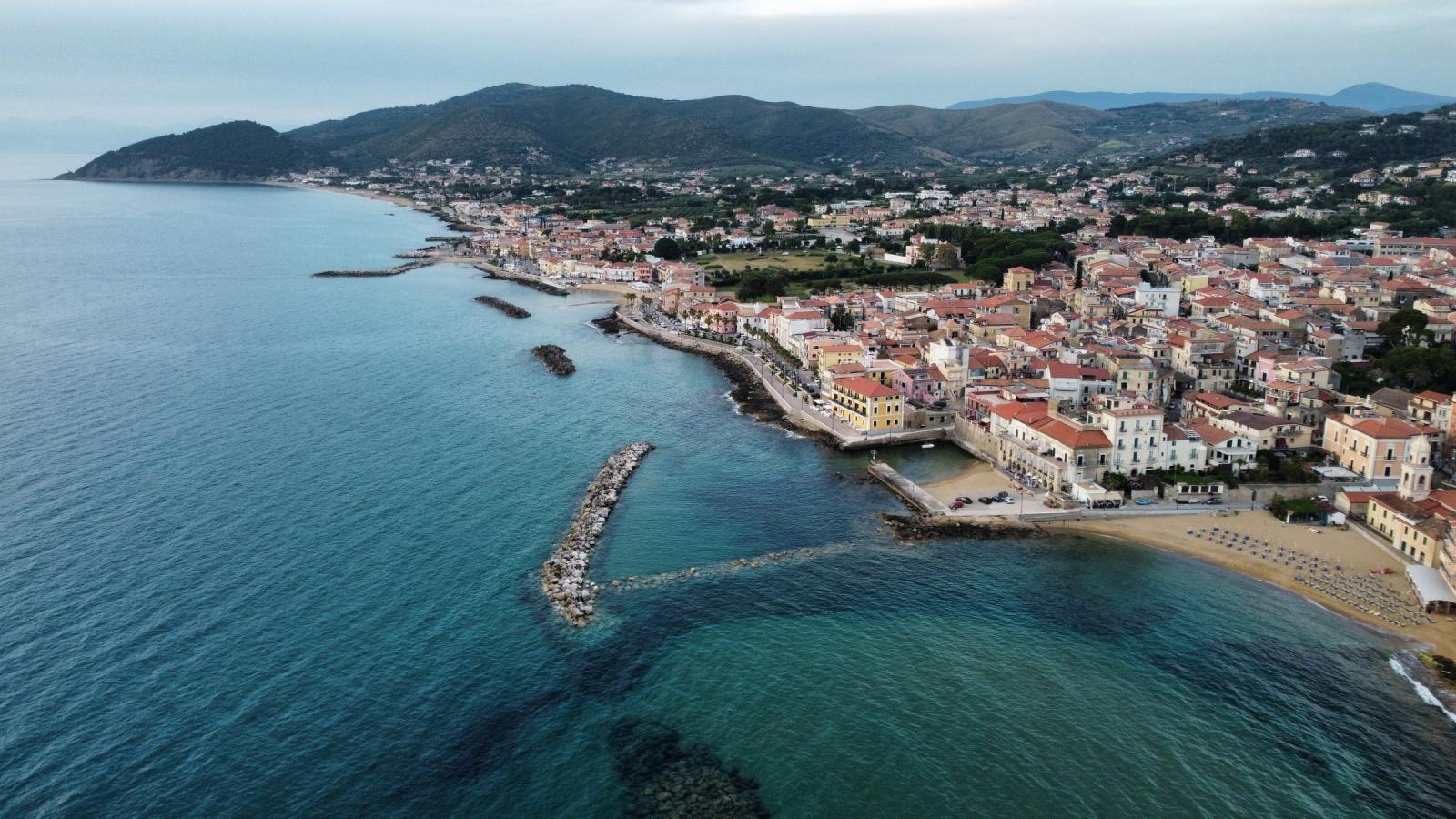
The most beautiful villages of Cilento near Paestum are Castellabate, where the film "Benvenuti al Sud" was shot, Agropoli with its castle above the sea, Acciaroli and Pioppi (municipality of Pollica, ranked first in the 2026 Cinque Vele guide), Pisciotta and Camerota. From our B&B in Capaccio Paestum they are 20 to 90 minutes by car: three days is enough to see them at an easy pace.
Each has its own character: the medieval village perched above the gulf, the fishing harbour where you dine watching the boats come in, the hill town wrapped in olive groves. Below you will find what to see in each, driving times from the B&B and a three-day itinerary.
How far are the Cilento villages from the B&B?
Times are indicative, by car and without traffic. On July and August weekends allow a few extra minutes on the coast road, which is scenic but slow.
| Village | Time | Best for |
|---|---|---|
| Agropoli | 20 min | Castle, old town, evening stroll |
| Castellabate | 35 min | Medieval village and sunset viewpoint |
| Santa Maria di Castellabate | 35 min | Sea, promenade, seafood dinner |
| Acciaroli | 55 min | Harbour and some of Italy's most praised waters |
| Pioppi | 1 h | Living Museum of the Mediterranean Diet |
| Pisciotta | 1 h 15 min | Olive groves and menaica anchovies |
| Camerota | 1 h 20 min | Hilltop village and Castello Marchesale |
| Marina di Camerota | 1 h 30 min | Coves reached on foot or by boat |
Castellabate: why is it the village of "Benvenuti al Sud"?
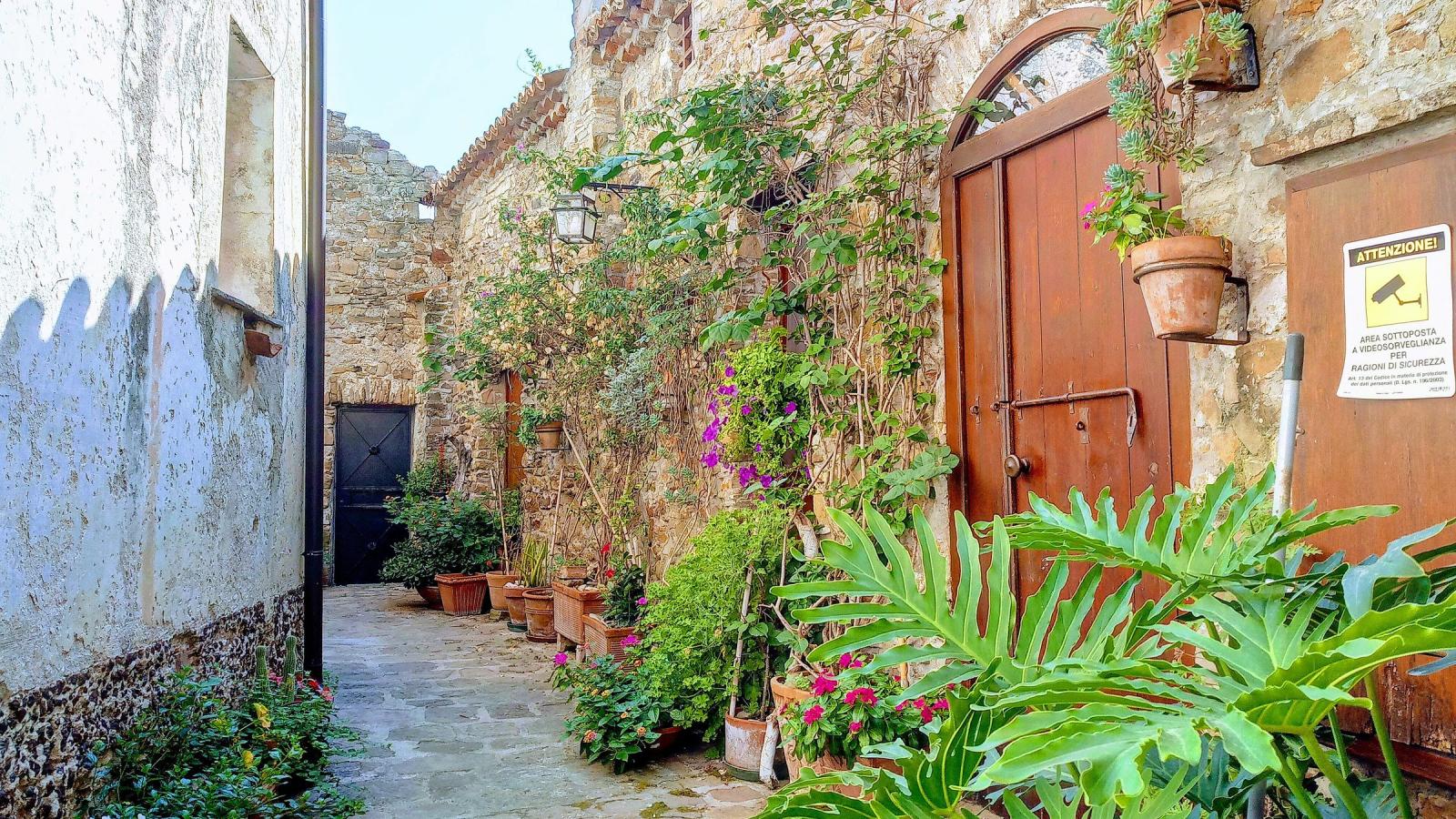
Castellabate sits on a hill about 280 metres above the sea, roughly 35 minutes away by car. Its castle was built in 1123 by Abbot Costabile Gentilcore, and the village takes its name from that Castrum Abbatis. The old centre is a web of stone lanes, arches and stairways climbing towards the castle and the Basilica of Santa Maria de Gulia.
The most photographed spot is the viewpoint in Piazza 10 Ottobre 1123, named after the founding date, which looks out over the gulf and the coast of Santa Maria. The plaque on the belvedere carries the line attributed to Joachim Murat, "Qui non si muore" ("here one does not die"), a tribute to the air and the landscape.
National fame came with "Benvenuti al Sud" (2010), Luca Miniero's comedy starring Claudio Bisio and Alessandro Siani, set and filmed here. Its best-known line says that "when an outsider comes to the South he cries twice: when he arrives and when he leaves" (Wikiquote, in Italian). The municipality of Castellabate is among the 2026 Blue Flags and among the places awarded Cinque Vele 2026 by Legambiente and the Touring Club Italiano; both awards are renewed every year.
Santa Maria di Castellabate: the seaside face
Below the village, Santa Maria is the coastal part of the same municipality: a small fishing harbour, a promenade that comes alive in the evening and long sandy beaches suited to families. It is the natural place to end a day in Castellabate with a seafood dinner. For the beach and the coves further south, see our guide to the best beaches near Paestum.
Acciaroli: what is the most praised sea in Cilento like?
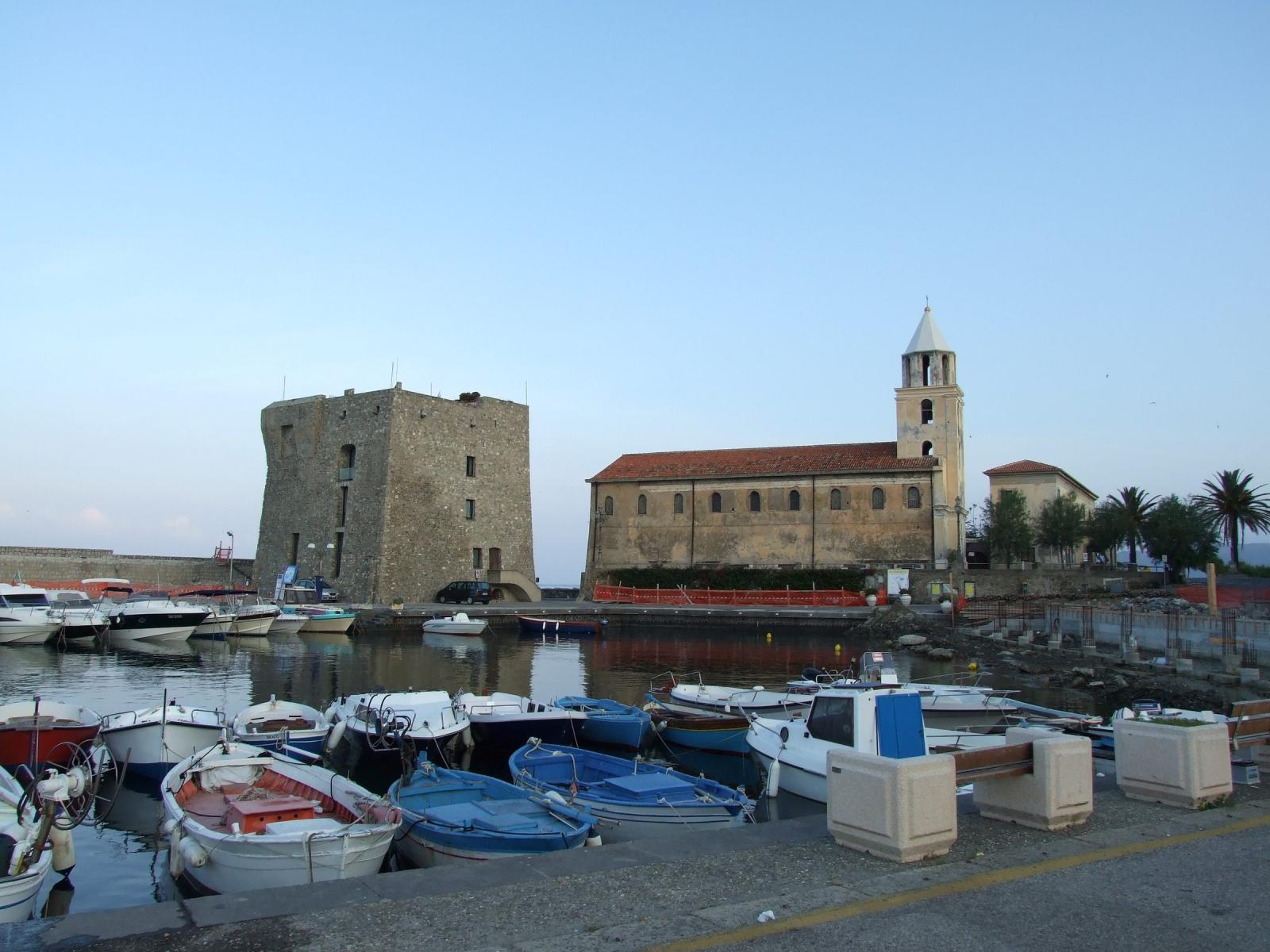
Acciaroli is a hamlet of Pollica, about 55 minutes along the coast. In the 2026 Guida Blu by Legambiente and the Touring Club Italiano, Pollica, with Acciaroli and Pioppi, ranks first among seaside destinations awarded Cinque Vele; the municipality is also among the 2026 Blue Flags. A new Guida Blu usually comes out in June, the Blue Flag list in spring. The village gathers around its harbour: fishing boats, low houses and a beach of sand and pebbles where the water is clear a few steps from the shore.
According to a local legend, in the 1950s Hemingway passed through Acciaroli and met the fisherman Antonio Masarone; the village calls itself "Hemingway's village", but there is no documentary evidence, and "The Old Man and the Sea" (1952) is set in Cuba.
Acciaroli is also known for the longevity of its residents, the subject of an international study we cover in our guide to the Mediterranean Diet in Cilento.
Pioppi: the village of the Mediterranean Diet
A few minutes from Acciaroli, still in the municipality of Pollica, Pioppi is a handful of houses facing a pebble beach, about an hour by car. This is where Ancel Keys, the American researcher who made the Mediterranean Diet known worldwide, lived for many years, and the seventeenth-century Palazzo Vinciprova houses the Living Museum of the Mediterranean Diet. Keys's story and how to visit the museum are covered in the same Mediterranean Diet guide.
Agropoli: what to see at the gateway to Cilento?
Agropoli lies about 20 minutes south of Paestum and is the first sizeable town on the Cilento coast. The old town is reached by a long stairway and keeps its narrow lanes, arches and small squares overlooking the Gulf of Salerno. The castle crowns the promontory: Byzantine in origin and reworked under the Angevins and Aragonese, its ramparts offer views of the Amalfi Coast and Capri on the clearest days.
Below the old town runs the Lungomare San Marco, with bars, restaurants and the evening passeggiata. Agropoli is also among the 2026 Blue Flags. Heading south you reach Trentova Bay and the Trentova-Tresino nature area, crossed by the coastal paths described in our guide to hiking in Cilento.
Pisciotta: why is it the village of olives and menaica anchovies?
Pisciotta, about an hour and a quarter away, is a hill town some 170 metres above the sea, surrounded by terraced olive groves. The Pisciottana, an olive variety typical of Cilento, is named after it, and the terraces hold monumental trees, some believed to be several centuries old. The old centre is all carved stone doorways, small palazzi and sudden glimpses of the sea.
Down at Marina di Pisciotta, menaica anchovies are still caught with a traditional net that holds only the larger fish. They have been a Slow Food Presidium since 2001: Slow Food lists six Presidium fishermen, and according to Gambero Rosso (March 2026) only four are still active. How they are cured and where to taste them is in our guide to Cilento olive oil, wines and flavours.
Camerota and Marina di Camerota: the hill village and the coves
At the southern end of the route, Camerota (about 1 hour 20 minutes) is an inland village gathered around the Castello Marchesale, with stone lanes and a village life still little touched by tourism. A few kilometres below, Marina di Camerota (about 1 hour 30 minutes) is one of the liveliest seaside towns in Cilento.
Its great strength is the coves you reach on foot or by boat, such as Cala Bianca and the Infreschi bay, described in our beach guide. Along this coast there are also caves that have yielded important prehistoric finds.
How to see the Cilento villages in three days?
- Day 1, Agropoli and Castellabate: morning in Agropoli for the castle and old town, lunch on the promenade, late afternoon up to Castellabate for the viewpoint and dinner in Santa Maria. Total driving: about 1 hour 15 minutes.
- Day 2, Acciaroli and Pioppi: morning at the harbour and on the beach in Acciaroli, seafood lunch, afternoon in Pioppi for the museum and a swim off the pebbles. Total driving: about 2 hours.
- Day 3, Pisciotta and Camerota: early start for Pisciotta, then about 40 minutes on to Camerota and down to Marina di Camerota for the sea. Back in the late afternoon. Total driving: about 3 hours 30 minutes.
Three days on the coast call for a quiet place to come back to: between one village and the next, a swim in the garden's seasonal pool sets things right. If you are planning your trip, you will find everything you need about our rooms.
Practical tips for visiting the villages
- Comfortable shoes: the old centres are all slopes, steps and cobbles.
- Timing: in summer visit early in the morning or after 5 pm; the middle of the day is very hot and many shops close.
- Cash: in the smaller villages not every shop or bar takes cards.
- Fuel: fill up before heading south; inland, petrol stations are far apart.
- Where to eat: ask us at breakfast and we will suggest places to suit the village and the day.
Save Castellabate for late afternoon: climb up in the low light, watch the sunset from the belvedere, then drive down to Santa Maria for dinner. For Pisciotta and Camerota, on the other hand, leave early: the drive is long and the coves of Marina di Camerota are at their best in the morning.
Frequently asked questions
Which are the most beautiful villages in Cilento near Paestum?
The most visited are Castellabate with Santa Maria di Castellabate, Agropoli, Acciaroli and Pioppi (municipality of Pollica), Pisciotta, Camerota and Marina di Camerota. From Capaccio Paestum they are 20 to 90 minutes by car.
Where was "Benvenuti al Sud" filmed?
Luca Miniero's 2010 film, starring Claudio Bisio and Alessandro Siani, is set and shot in Castellabate, between the medieval village and the seaside hamlet of Santa Maria. The viewpoint in Piazza 10 Ottobre 1123 is one of its most recognisable locations.
Where is the cleanest sea in Cilento?
In the 2026 Guida Blu by Legambiente and the Touring Club Italiano, Pollica, with Acciaroli and Pioppi, ranks first among seaside destinations awarded Cinque Vele; Castellabate and San Giovanni a Piro are also awarded in Cilento. Agropoli, Castellabate and Pollica are also among the 2026 Blue Flags. Both rankings are renewed every year: the 2027 Guida Blu usually comes out in June, the Blue Flags in spring.
How many days do you need for the Cilento villages?
Three days let you see the main villages without rushing: one for Agropoli and Castellabate, one for Acciaroli and Pioppi, one for Pisciotta and Camerota. With less time, focus on Agropoli and Castellabate, both under 40 minutes from the B&B.