Cilento, Vallo di Diano and Alburni National Park is a protected area of about 180,000 hectares in the south of the province of Salerno, established in 1991. It has been a UNESCO World Heritage Site since 1998, a Biosphere Reserve since 1997 and a Geopark since 2010. Entry to the park is free; caves, museums and archaeological sites charge their own tickets.
From the plain of Paestum, on the park's north-western edge, you can watch it rise inland: first the olive groves, then the woods and the limestone massifs of the Alburni and Monte Cervati. It is a large territory, best discovered in stages. This page is a map to help you find your way, with links to our more detailed guides.
Why does Cilento hold three UNESCO designations?
In 1998 the park was inscribed on the World Heritage List together with the archaeological sites of Paestum and Velia and the Certosa di Padula, as a cultural landscape: a territory where sanctuaries, settlements and routes tell of centuries of exchange between the coast and the interior (UNESCO listing).
A year earlier, in 1997, it had been recognised as a Biosphere Reserve under the MAB (Man and the Biosphere) programme, which values the balance between nature conservation and traditional activities such as olive growing and pastoralism. In 2010 it joined the Geopark network, today the UNESCO Global Geoparks, for the value of its geological heritage: limestone rock, karst caves, river gorges and sea cliffs.
Information on trails, protected areas and regulations is available on the National Park website.
What is there to see in Cilento National Park?
The park brings together sea, mountains and ancient cities. Here are the main experiences, each with its own dedicated guide.
The caves of the Alburni
The Pertosa-Auletta Caves are visited by boat on the Negro, an underground river; Castelcivita is a karst system about 4.8 kilometres long with traces of human presence more than 30,000 years old. Note that Castelcivita is closed from November to February. Routes, opening times and an itinerary for seeing both are in our guide to the caves of Cilento.
Mountains, gorges and nature reserves
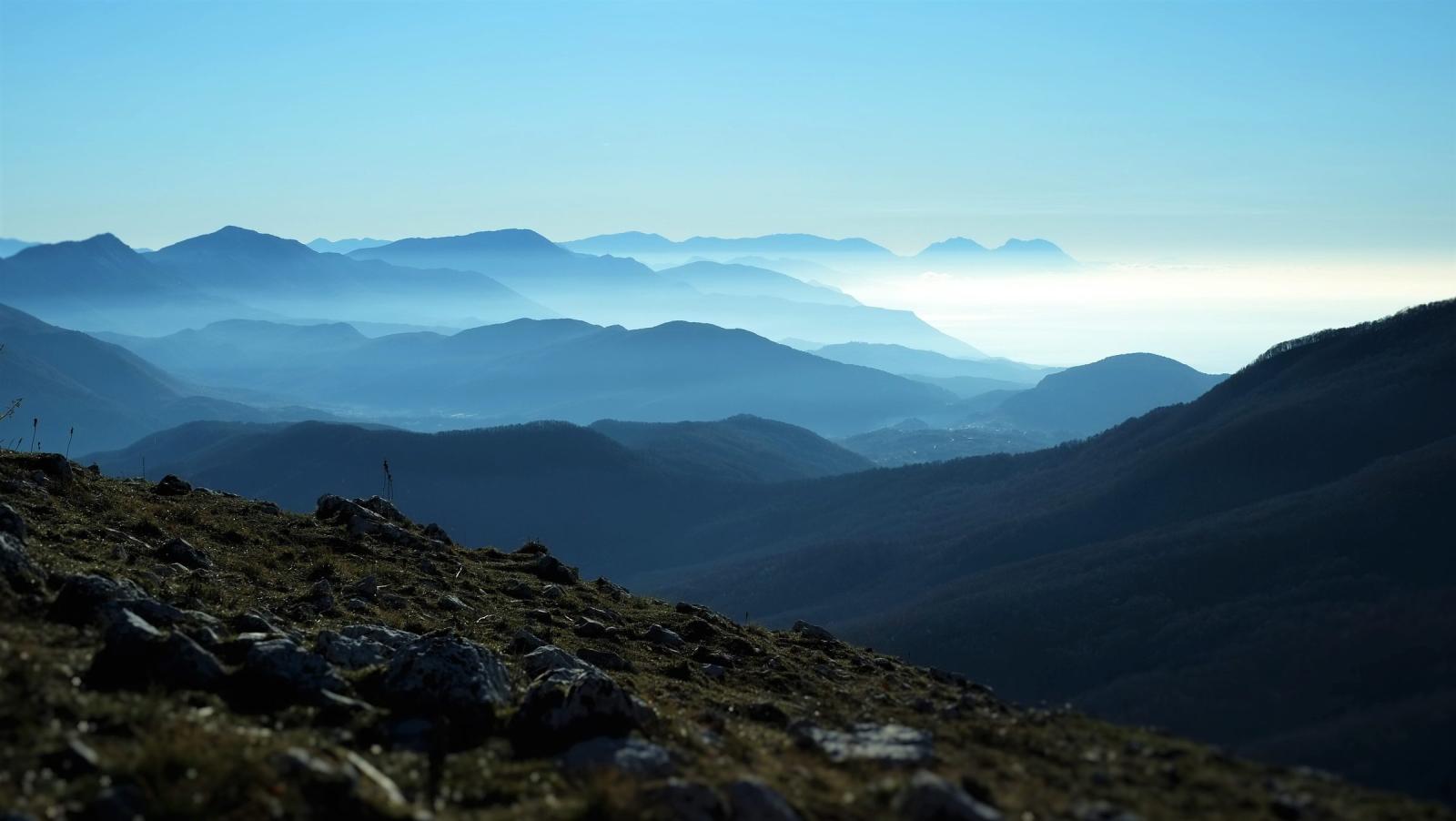
At 1,899 metres, Monte Cervati is the highest peak in Campania. The Calore gorges at Felitto offer cool river pools in the warmer months, and the WWF Persano Oasis, on the River Sele, is a wetland that is perfect for birdwatching. Difficulty, duration and tips are in our guide to hiking in Cilento.
The coast
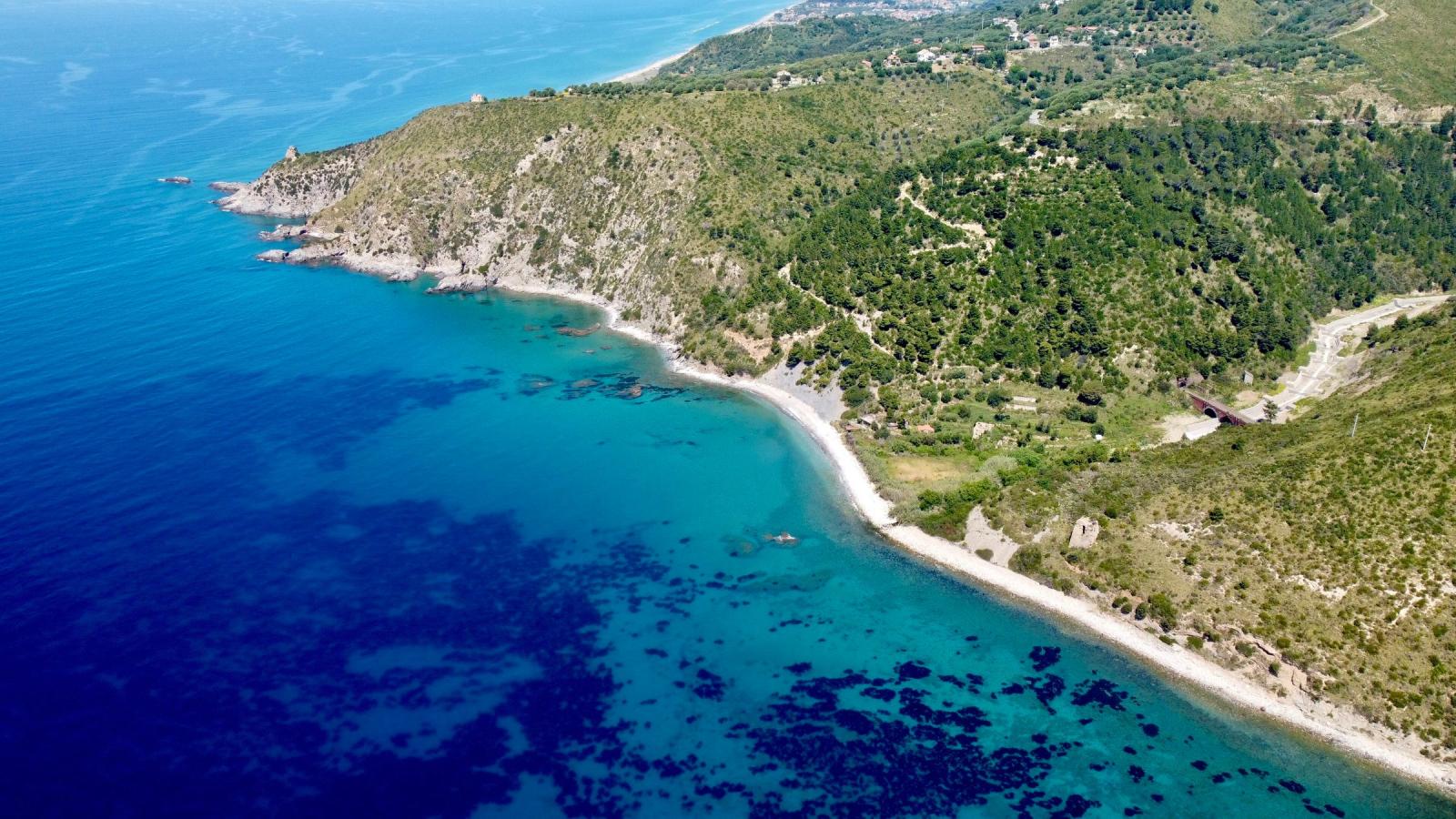
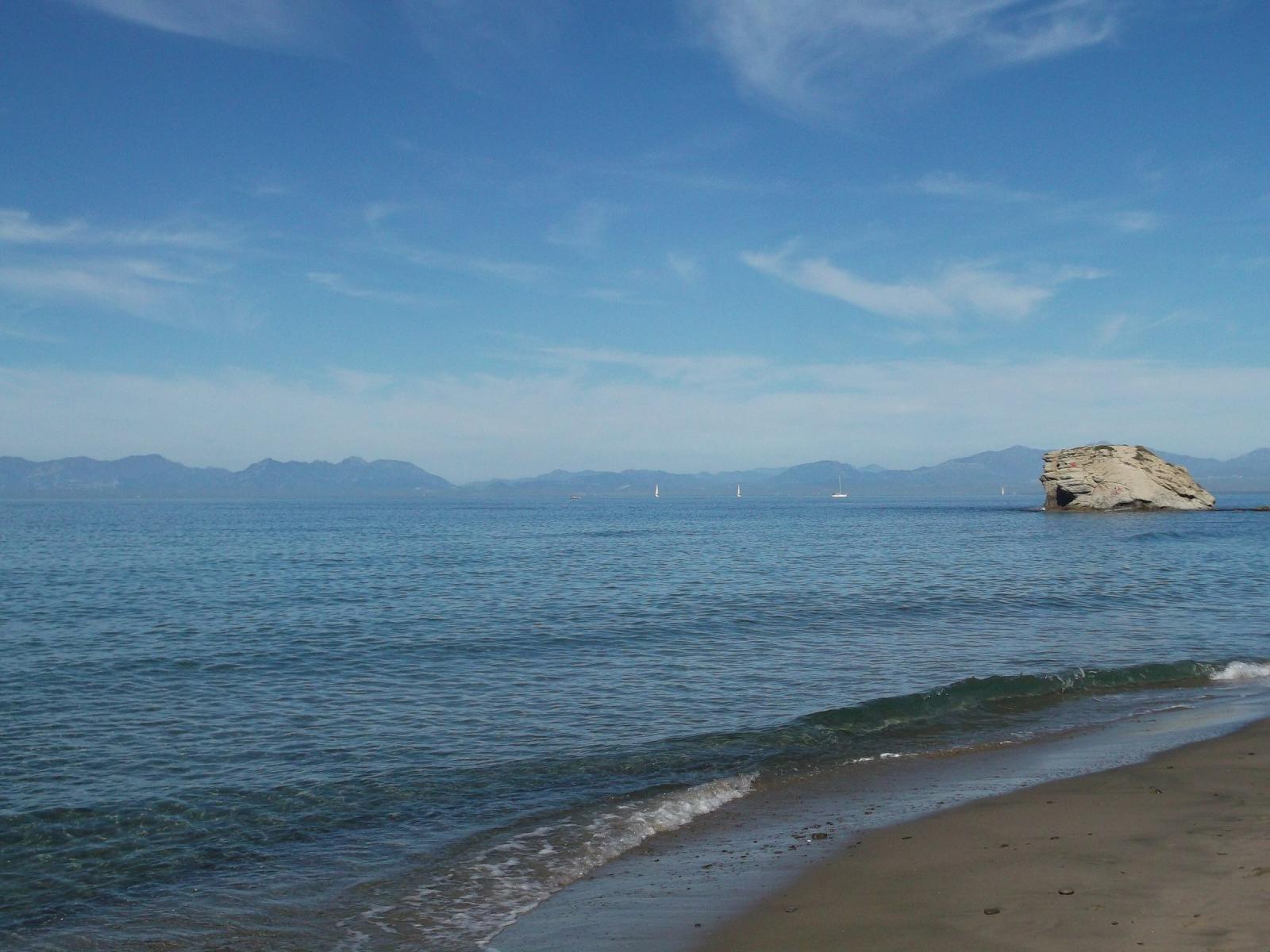
From Agropoli to Marina di Camerota the coastline alternates sandy beaches, headlands and coves reached on foot or by boat: Punta Licosa, Palinuro, Cala Bianca. Distances and tips are in our guide to the best beaches near Paestum.
The villages
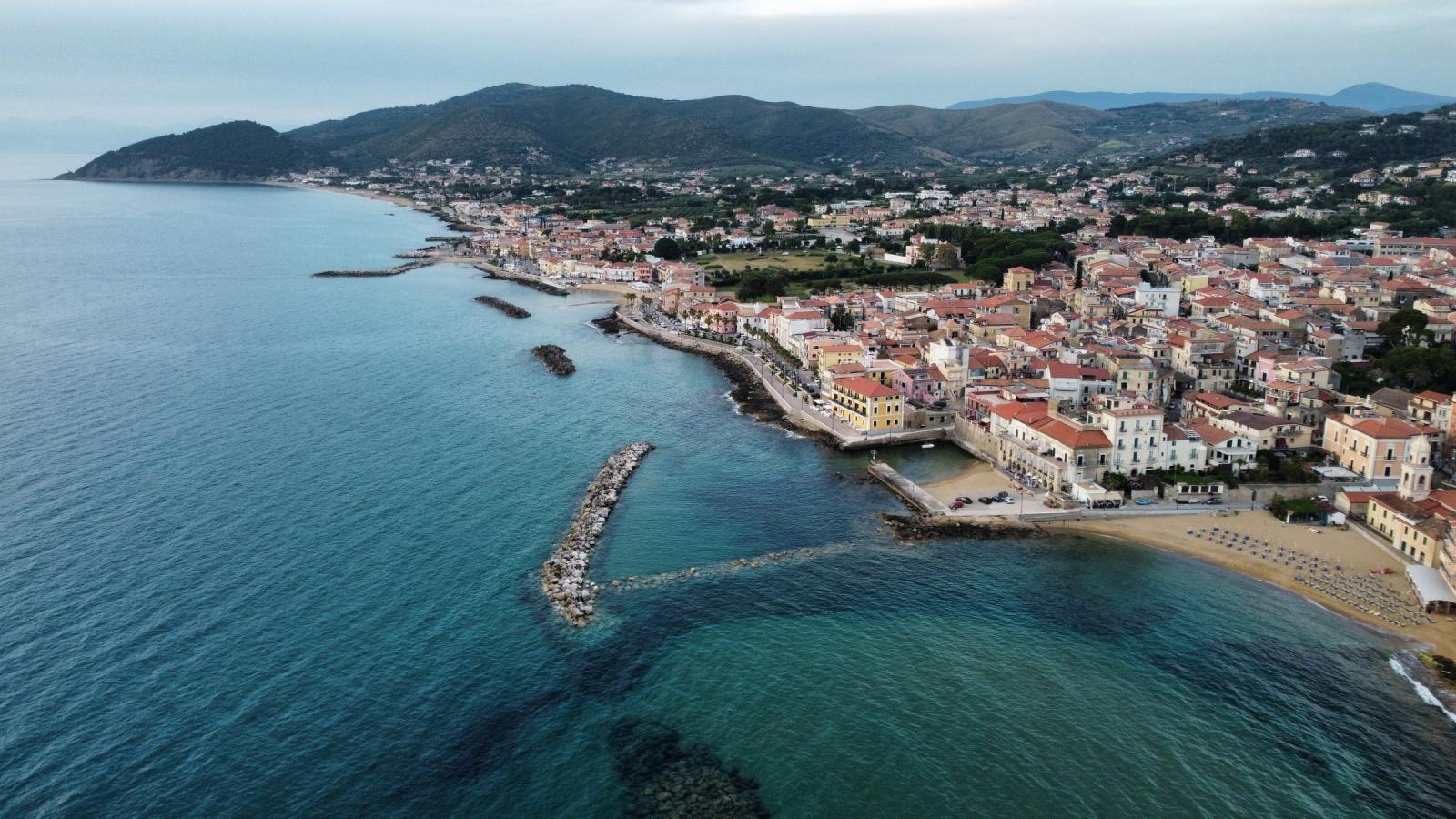
Castellabate, Pisciotta, Camerota and the fishing villages of Pollica are the park's inhabited face, with stone-built old centres overlooking the sea or the valleys. We describe them in our guide to Cilento's most beautiful villages.
Paestum and Velia, Magna Graecia
The two archaeological sites are part of the same UNESCO listing and share a single ticket valid for three days. The Temples of Paestum are about 10 minutes by car from our B&B, and Velia, the city of Parmenides, about an hour.
Why visit the Certosa di Padula?
The Certosa di San Lorenzo in Padula, in the Vallo di Diano, was founded in 1306 by Tommaso Sanseverino and is one of the largest monastic complexes in Europe: about 51,500 square metres of cloisters, courtyards, gardens and state rooms, transformed over the following centuries above all in the Baroque period.
The great cloister, about 15,000 square metres, is among the largest in Europe. Around it open the cells of the Carthusian monks, each a small house with its own garden, telling of a life of silence, prayer and work. The complex also houses the Museo archeologico provinciale della Lucania occidentale, with finds from the necropolises of the area.
The Certosa pairs well with the Pertosa-Auletta Caves, which lie along the same A2 motorway: an excellent day inland, even out of season.
| Where | Padula (SA), in the Vallo di Diano |
|---|---|
| By car from the B&B | About 1 hour 15 minutes via the A2 motorway |
| Time needed | At least 2 hours |
| Hours and tickets | On the Italian Ministry of Culture website |
Source: Italian Ministry of Culture, Certosa di San Lorenzo. Hours and prices may change: please check before your visit.
Which animals and plants live in the park?
The variety of habitats, from sea cliffs to high-altitude beech woods, makes Cilento one of the richest areas for biodiversity in southern Italy. Among the most significant species:
- The otter, a symbol of clean rivers: you can hope to spot one at the WWF Persano Oasis and at the WWF Morigerati Oasis, where the River Bussento resurfaces after an underground stretch.
- The Apennine wolf, present in the inland massifs such as the Alburni and Monte Cervati.
- The golden eagle, which nests on the most inaccessible rock faces.
- The spectacled salamander, a small amphibian endemic to the Italian Apennines, tied to streams and damp woodland.
- Primula palinuri, the park's emblematic flower: an ancient species, a palaeoendemic, that grows on the coastal limestone cliffs of the southern Tyrrhenian between Cilento, Basilicata and Calabria. In Cilento it is concentrated mainly around Palinuro.
When is the best time to visit Cilento?
- Spring: wild flowers, mild temperatures and ideal conditions for walking.
- Summer: the sea, the river pools in the gorges and the cool of the caves in the hottest hours.
- Autumn: woodland colours, the olive harvest and new oil, described in our guide to Cilento's flavours.
- Winter: quiet villages, archaeological sites with few visitors and the Certosa; the Castelcivita Caves are closed, while Pertosa follows a winter timetable.
Don't try to see everything in a few days. Choose one area per day, whether the coast, the Alburni or the Vallo di Diano, and save the furthest destinations for the clearest days. Inland roads are narrow and winding, and the times we give assume no traffic, so set off without hurrying.
How can you explore the park from the B&B?
Il Giardino dei Pini is in Capaccio Scalo, in the Paestum countryside, about 10 minutes from the Temples: a convenient base for both the coast and the interior. These are indicative driving times to the park's main destinations:
| Destination | Driving time (approx.) |
|---|---|
| Temples of Paestum | 10 minutes |
| WWF Persano Oasis | 30 minutes |
| Castelcivita Caves | 45 minutes |
| Calore gorges (Felitto) | 45 minutes |
| Pertosa-Auletta Caves | 1 hour |
| Velia | 1 hour |
| Certosa di Padula | 1 hour 15 minutes |
| Palinuro | 1 hour 20 minutes |
| Monte Cervati (trailhead at Sanza) | 1 hour 40 minutes |
| WWF Morigerati Oasis | 1 hour 45 minutes |
If you are planning several days in Cilento, you will find our rooms here: in the evening the garden awaits you and, in season, the pool.
Frequently asked questions
How much does it cost to enter Cilento National Park?
Entry to the park is free: there is no ticket to access the territory itself. You pay instead for individual attractions such as the caves, the Certosa di Padula and the archaeological parks of Paestum and Velia, which share a single ticket valid for three days.
How many days do you need to visit Cilento?
For a first taste, allow at least three or four days: one for Paestum, one for the coast, one for the caves or the Certosa di Padula and one for a hike. With a week you can add Velia, the southern villages and a few days at the beach.
What is the highest peak in Cilento National Park?
Monte Cervati, at 1,899 metres, is the highest peak in Campania. The classic trail starts from Sanza, about 1 hour 40 minutes by car from Paestum, and is suitable for experienced hikers.
What can you see in Cilento in winter?
In winter you can still visit the archaeological parks of Paestum and Velia, with reduced hours and a €10 ticket from December to February, the Certosa di Padula and, with seasonal hours, the Pertosa-Auletta Caves. The Castelcivita Caves, however, are closed from November to February.