The local products to look for in Cilento are Cilento DOP extra virgin olive oil, Cilento DOC wines made from Aglianico and Fiano, menaica anchovies from Pisciotta (a Slow Food Presidium), Fico Bianco del Cilento DOP white figs and the Carciofo di Paestum IGP artichoke. Olive mills and wineries lie between 15 minutes and just over an hour from our B&B.
Cilento is easiest to understand at the table: hills of olive trees running down to the sea, vineyards among the woods, small harbours where fishermen still use traditional nets. This guide brings together the products with a recognised designation or protection, the producers you can visit and the best seasons to taste them.
What is Cilento DOP extra virgin olive oil?
It is extra virgin olive oil produced in Cilento under a Protected Designation of Origin, whose rules set the area, the varieties and the production methods. The designation's varieties include Pisciottana, Rotondella, Frantoio and Salella. Pisciottana is named after Pisciotta and grown mainly in Cilento, where its imposing trees shape the landscape.
Tradition links olive growing here to the ancient Greek colonies of Elea and Poseidonia, and olive trees have marked these hills ever since. In the glass, Cilento oils tend towards a light to medium fruitiness, with grassy notes, measured bitterness and a peppery finish that grows stronger in the inland varieties. Producers differ a great deal, so it is worth tasting more than one.
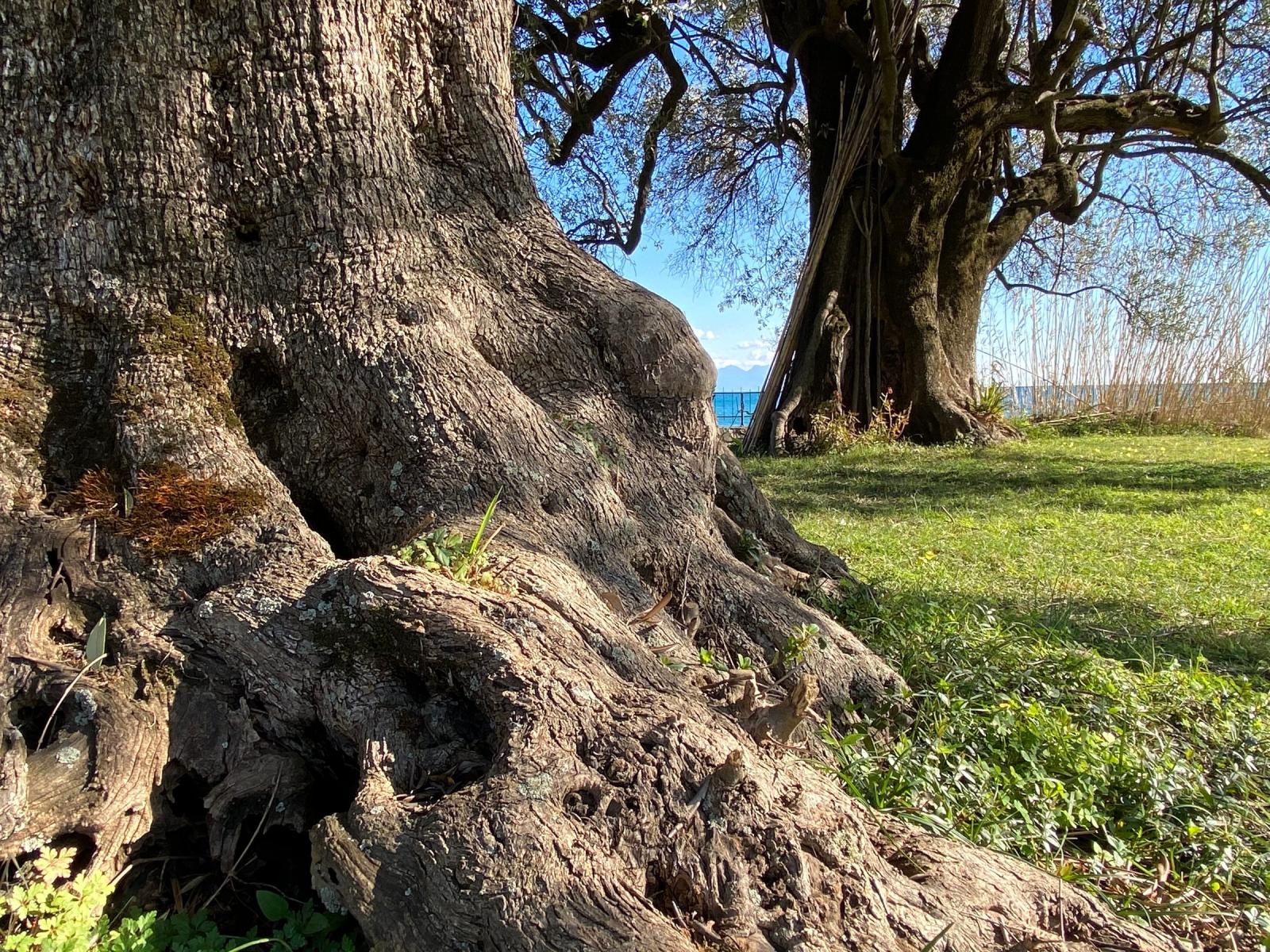
The monumental olive trees of Pisciotta
On the terraces around Pisciotta grow centuries-old olive trees with twisted, hollowed trunks, some of them believed to be a thousand years old. Walking among these trees, which still bear fruit, is one of the simplest ways to see how central olive oil is to Cilento's identity. The village and its marina feature in our guide to Cilento's most beautiful villages.
Which olive mills can you visit in Cilento?
The best time to visit a mill is during the harvest, between October and December, when the new oil is being pressed. Outside the season many producers still welcome visitors by appointment for a tasting. Names to know in the area:
- Marsicani: in Gambero Rosso's Oli d'Italia 2022 guide, Nicolangelo Marsicani received the "Olive Mill of the Year" award.
- Cooperativa Nuovo Cilento: in San Mauro Cilento, with a mill and the restaurant "Al Frantoio", about 50 minutes from the B&B.
- Frantoio Pietrabianca: in the heart of the Cilento National Park.
- Tenuta Cobellis: a producer of Cilento DOP extra virgin olive oil.
Contact the producers directly to find out whether and when they receive visitors: at the height of the harvest, the mill's schedule comes first.
Which wines are made in Cilento?
Cilento has its own appellation, Cilento DOC, covering red, rosé and white wines; many local producers also bottle under the Paestum IGP geographical indication. The two signature grapes are Aglianico for reds and Fiano for whites. In recent decades several wineries have brought these wines to the attention of the national guides.
Aglianico
Southern Italy's great red grape. The name probably derives from "Ellenico", Hellenic, reflecting the Greek origin tradition gives it. In Cilento it produces deeply coloured wines with aromas of ripe red fruit, spice and liquorice, firm tannins and good acidity. It pairs with grilled meat, ragù and mature cheeses such as caciocavallo.
Fiano
An ancient white Campanian grape that, on the Cilento coast, gives fresh, savoury wines with notes of white-fleshed fruit, citrus and herbs. It is the natural match for seafood: marinated anchovies, spaghetti with clams, grilled fish.
Which wineries can you visit?
Viticoltori De Conciliis, in Prignano Cilento, about 30 minutes from the B&B, is among the wineries that made Cilento wine known beyond the region. Its labels include Naima, from Aglianico grapes, and Donnaluna, a Fiano. Visits are booked directly with the winery.
San Salvatore 1988, founded by Giuseppe Pagano, is based in Giungano, about 15 minutes from the B&B, and farms its vineyards organically. Pian di Stio is a Fiano Paestum IGP from vineyards around Stio at about 650 metres: the 2020 vintage was awarded Tre Bicchieri by Gambero Rosso. The same winery makes Vetere, a Paestum IGP rosé, and Jungano, an Aglianico.
| San Salvatore 1988 | Giungano (Via Dioniso), about 15 minutes from the B&B. Organic wines including Pian di Stio (Fiano) and Vetere (rosé) |
|---|---|
| Viticoltori De Conciliis | Prignano Cilento, about 30 minutes from the B&B. Naima (Aglianico), Donnaluna (Fiano) |
| Cooperativa Nuovo Cilento | San Mauro Cilento, about 50 minutes from the B&B. Olive mill and "Al Frantoio" restaurant |
| Menaica anchovies | Marina di Pisciotta, about 1 hour 15 minutes from the B&B |
| New oil season | Harvest and pressing between October and December |
Indicative driving times. Wineries and mills usually receive visitors by appointment: please check times and visits directly with each business.
What are menaica anchovies?
They are anchovies caught at Marina di Pisciotta with the menaica, a traditional net that holds back only the larger fish. The anchovies are then cleaned and packed in salt in terracotta jars, the "terzigni", where they mature until the flesh turns pink and the flavour becomes delicate yet lingering.
Since 2001 menaica anchovies have been a Slow Food Presidium. The technique is at risk: the Presidium lists six fishermen and, according to a Gambero Rosso article from March 2026, only four are still active. The fishing season falls between spring and summer. If you find them in a trattoria in Pisciotta, they are the best reason to stop for lunch.
What is Fico Bianco del Cilento DOP?
It is the Dottato variety of fig, with pale skin and sweet flesh, grown in Cilento for generations. The DOP mainly concerns the dried product: at the end of summer the figs are left to dry in the sun, then sold whole, stuffed with walnuts or almonds, coated in chocolate or threaded into traditional "crowns". They go well with mature cheeses and make an easy gift to take home.
When is Carciofo di Paestum IGP in season?
The Carciofo di Paestum IGP, known as the "Tondo di Paestum", is round, with green leaves tinged with violet and a tender, almost spineless heart. The season runs roughly from February to May. On the Sele Plain the classic preparation is artichokes cooked in the embers and dressed with oil, garlic and parsley, but they are also excellent raw, thinly sliced.
What other flavours should you try?
Caciocavallo podolico
A stretched-curd cheese made from the milk of Podolica cattle, a hardy breed raised semi-wild in the inland areas of the southern Apennines. Young, it is sweet and buttery; with ageing it becomes more intense and peppery. With an Aglianico, it is a classic pairing.
Colatura di Alici di Cetara DOP
It comes from Cetara, on the Amalfi Coast, so outside Cilento, about an hour's drive away. It is the amber liquid drawn from anchovies layered with salt in small chestnut or oak barrels: the DOP rules, granted in 2020, require a minimum maturation of nine months, and many producers age it longer. A few drops are enough to dress a plate of spaghetti.
Where can you taste Cilento's produce?
The weekly village markets are the best place to buy fruit, vegetables, cheese and oil directly from the growers. In summer and autumn almost every village holds a sagra, a festival dedicated to a local product: ask us which ones are on during your stay.
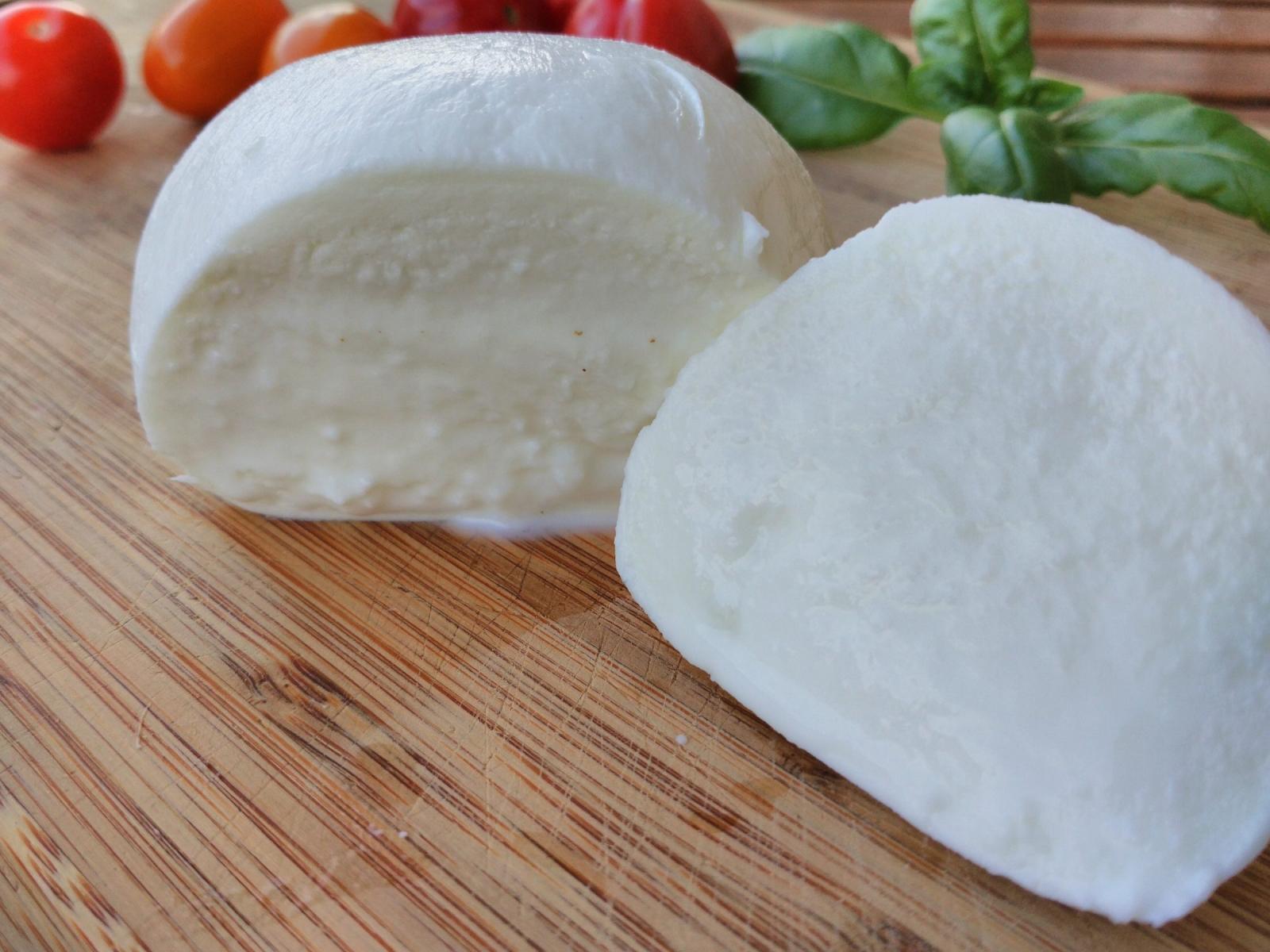
Agriturismi serve menus built around what they produce. Near the temples, Tenuta Seliano is known for the cooking classes of Baroness Cecilia Bellelli Baratta: check whether any are scheduled for your dates. For mozzarella, the place to go is of course a dairy on the plain, as described in our guide to buffalo mozzarella in Paestum.
Il Giardino dei Pini, at Capaccio Scalo, makes a good base for these itineraries: Giungano is a quarter of an hour away, Prignano half an hour, the coast and its mills within an hour. If you would like to plan a stay around wineries and olive mills, have a look at our rooms.
Don't buy oil at the first mill you visit: taste at least two, one from the coast and one from inland, and choose the one you prefer. Take it home in dark bottles or tins, away from light and heat, and use it within the year.
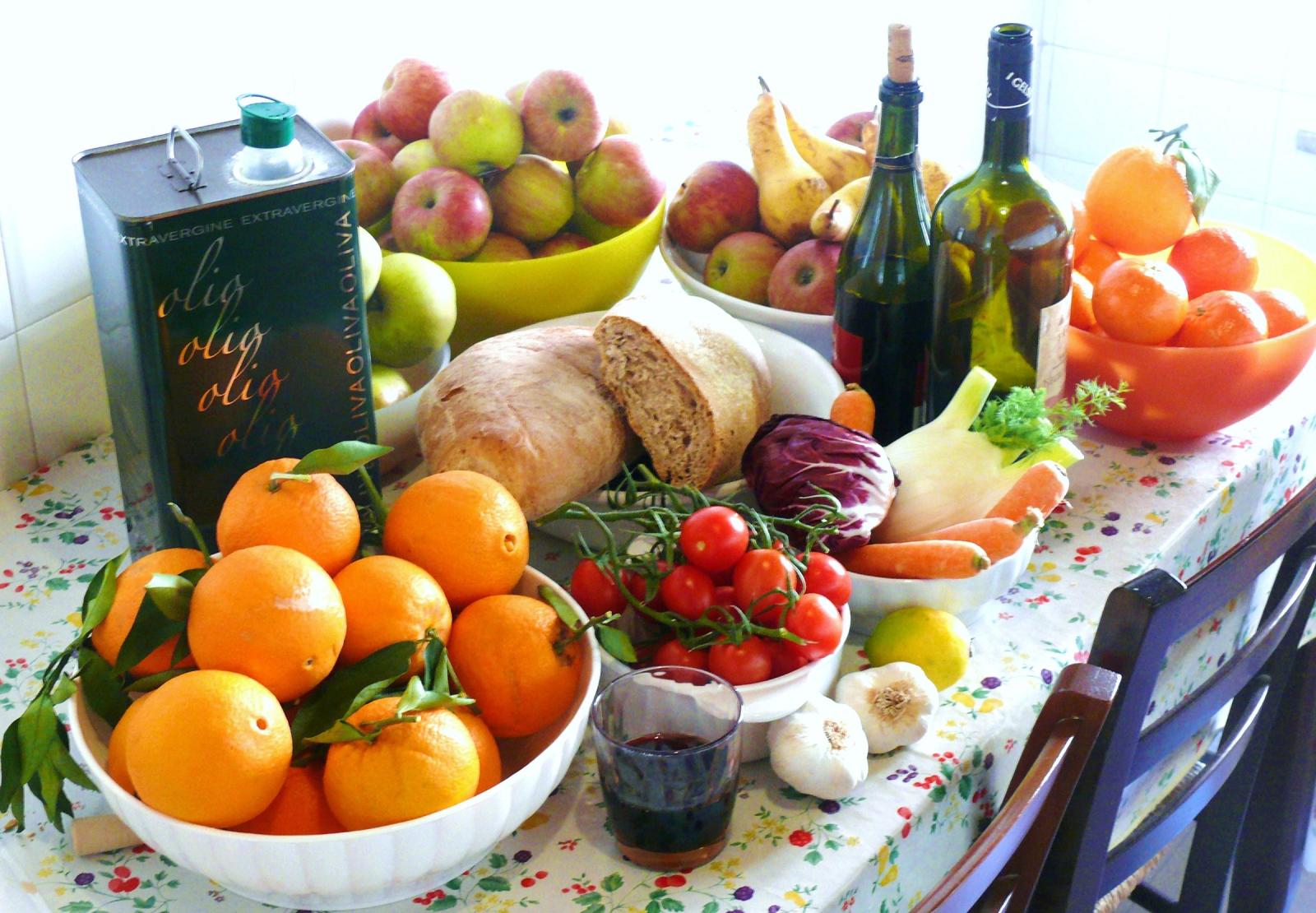
All these products belong to a way of eating recognised by UNESCO: we cover it in our guide to the Mediterranean Diet in Cilento.
- February-May: Carciofo di Paestum IGP
- Spring-summer: menaica anchovy fishing
- Summer: fresh figs, tomatoes and garden vegetables
- Late summer: drying of Fico Bianco del Cilento figs
- September-October: grape harvest
- October-December: olive harvest and new oil
- All year: buffalo mozzarella, caciocavallo, wines and the previous season's oil
Frequently asked questions
What are Cilento's typical products?
The main ones are Cilento DOP extra virgin olive oil, Cilento DOC wines made from Aglianico and Fiano, Fico Bianco del Cilento DOP figs, the Carciofo di Paestum IGP artichoke and menaica anchovies from Pisciotta, a Slow Food Presidium. Mozzarella di Bufala Campana DOP is made on the nearby Sele Plain.
When is the best time to visit an olive mill in Cilento?
Between October and December, during the olive harvest and pressing, when you can taste the new oil. In other months many producers welcome visitors by appointment for a tasting.
Which wineries can you visit near Paestum?
Among the best known are San Salvatore 1988 in Giungano, about 15 minutes from Il Giardino dei Pini B&B, and Viticoltori De Conciliis in Prignano Cilento, about 30 minutes away. Visits should be booked directly with the wineries.
What are menaica anchovies?
They are anchovies caught at Marina di Pisciotta with a traditional net, the menaica, then preserved in salt in terracotta jars. They have been a Slow Food Presidium since 2001, and today only a handful of fishermen still use the technique.