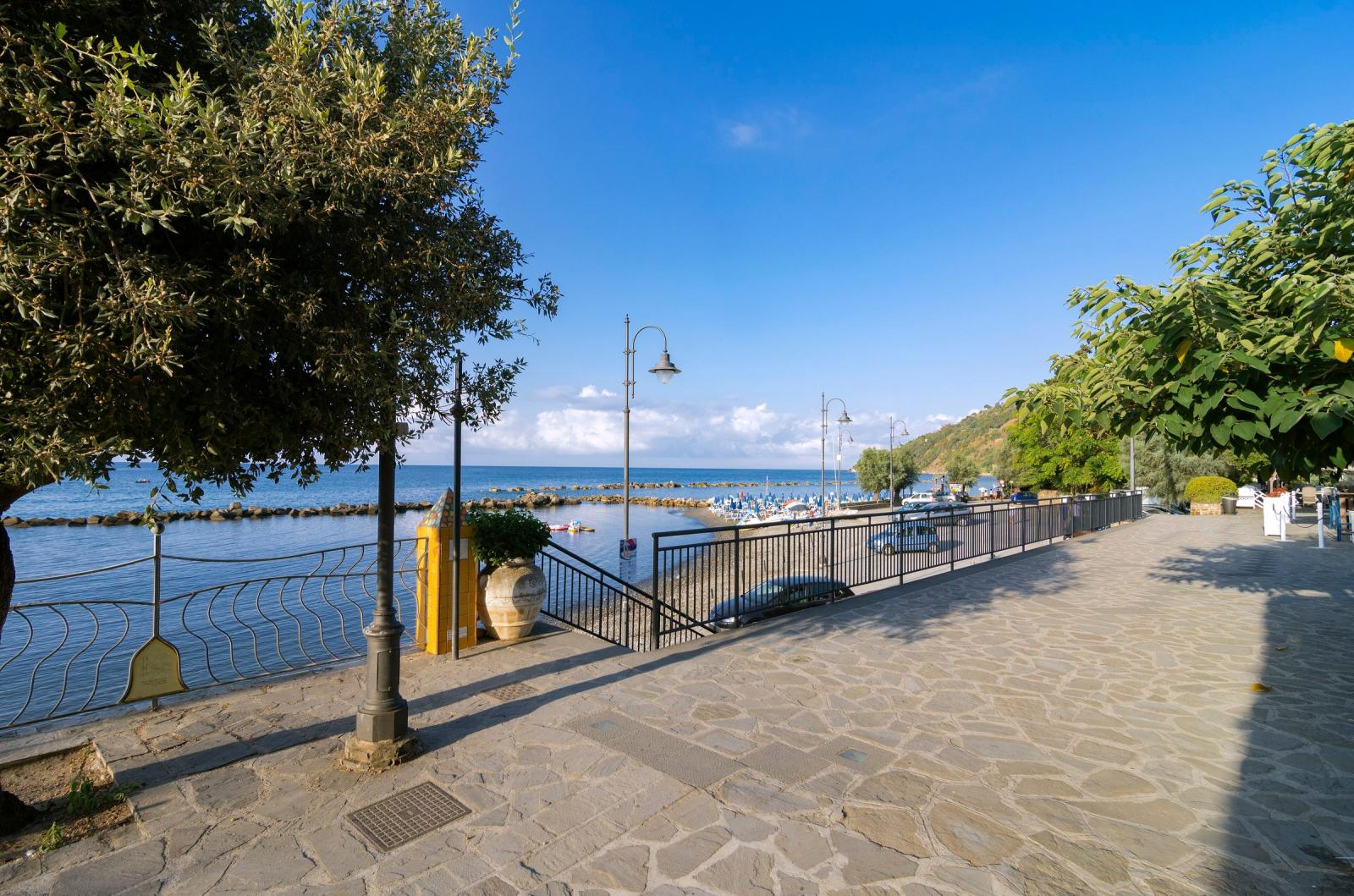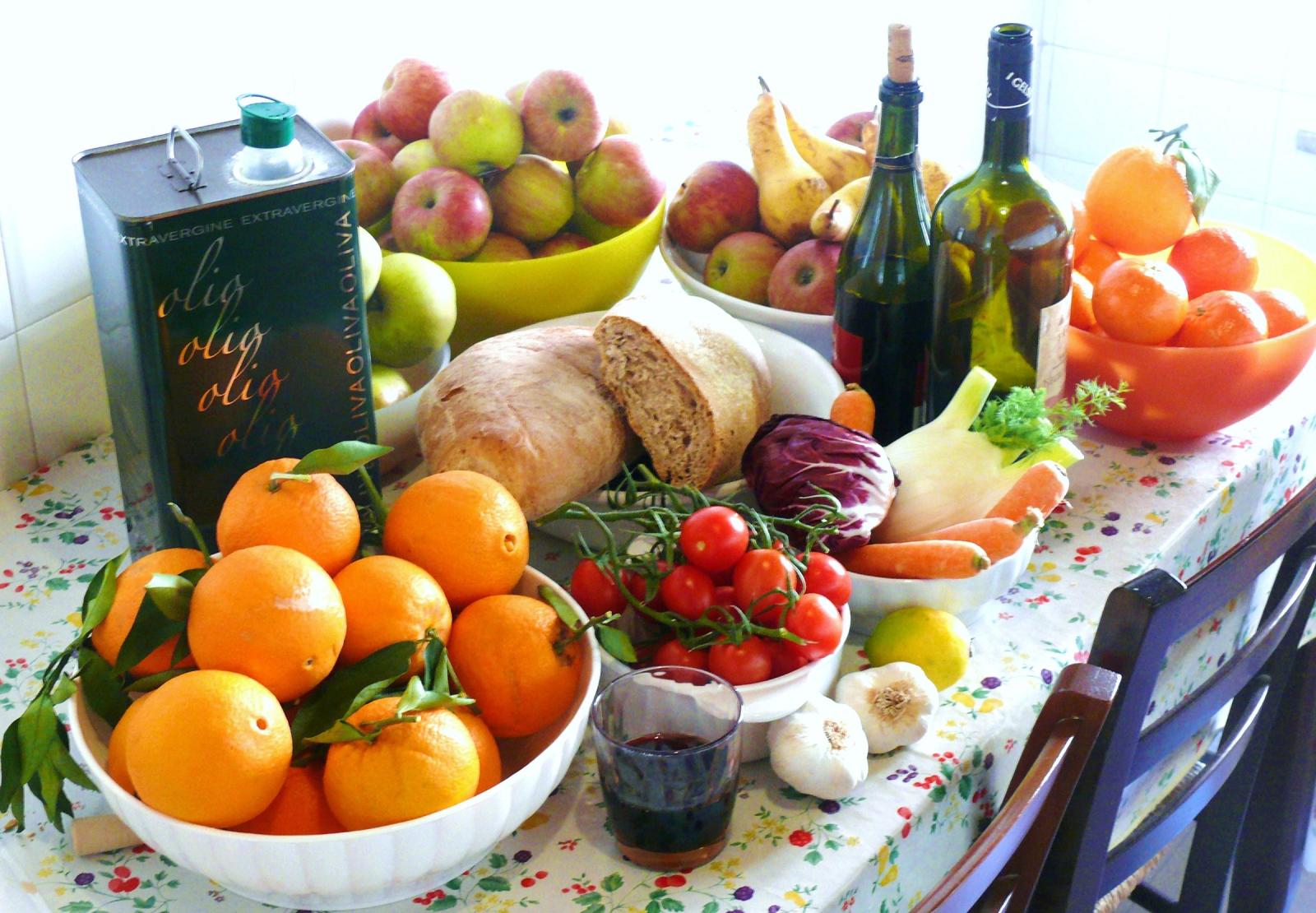
The Mediterranean Diet has been on UNESCO's list of Intangible Cultural Heritage since 2010, and Italy's emblematic community is Pollica, in Cilento. In Pioppi, a hamlet of Pollica about an hour from our B&B, the American physiologist Ancel Keys lived from 1963 to 1998 and made this way of eating famous; today it is home to the Living Museum of the Mediterranean Diet.
More than a diet, it is a way of sitting at the table: olive oil, pulses, seasonal vegetables, oily fish, meals shared without hurry. Below you will find the real story, minus a few widespread myths, and the places where you can experience it first-hand.
What is the Mediterranean Diet according to UNESCO?
In 2010 UNESCO inscribed the Mediterranean Diet on the Representative List of the Intangible Cultural Heritage of Humanity, following a joint nomination by Italy, Spain, Greece and Morocco; in 2013 the listing was extended to Cyprus, Croatia and Portugal (UNESCO listing). It protects not a menu but a body of knowledge and practice: how food is grown, fished, preserved, cooked and, above all, shared.
Each country named an "emblematic community" to represent the tradition. For Italy it is Pollica, the Cilento municipality that includes the hamlets of Acciaroli and Pioppi.
Who was Ancel Keys and what is his link to Cilento?
Ancel Benjamin Keys (1904-2004) was a physiologist at the University of Minnesota. In the 1950s he became convinced that diet played a decisive role in cardiovascular disease, and in 1958 he launched the Seven Countries Study, which enrolled about 12,700 men aged 40 to 59 in the United States, Finland, the Netherlands, Italy, Greece, Yugoslavia and Japan (study website).
Keys and his wife Margaret chose the Cilento coast and from 1963 to 1998 lived in Pioppi, in the villa they named "Minnelea". From here Keys observed the everyday cooking of the village, wrote about it with his wife and did more than anyone to make it known around the world. He died in Minneapolis on 20 November 2004, aged 100.
Was Cilento part of the Seven Countries Study?
No, and it is one of the most repeated myths. The study's Italian cohorts were Crevalcore, in Emilia, Montegiorgio, in the Marche, and a group of railway workers in Rome (list of cohorts). The lowest rates of coronary heart disease were found in Crete and Japan.
Cilento's bond with the Mediterranean Diet runs along a different path: Keys's long life in Pioppi, the popular books he wrote, and a food tradition that the UNESCO listing chose to protect starting from Pollica.
What do people eat in the Cilento Mediterranean Diet?
The basis is simple and mostly plant-based. These are the foods you still find in Cilento kitchens today:
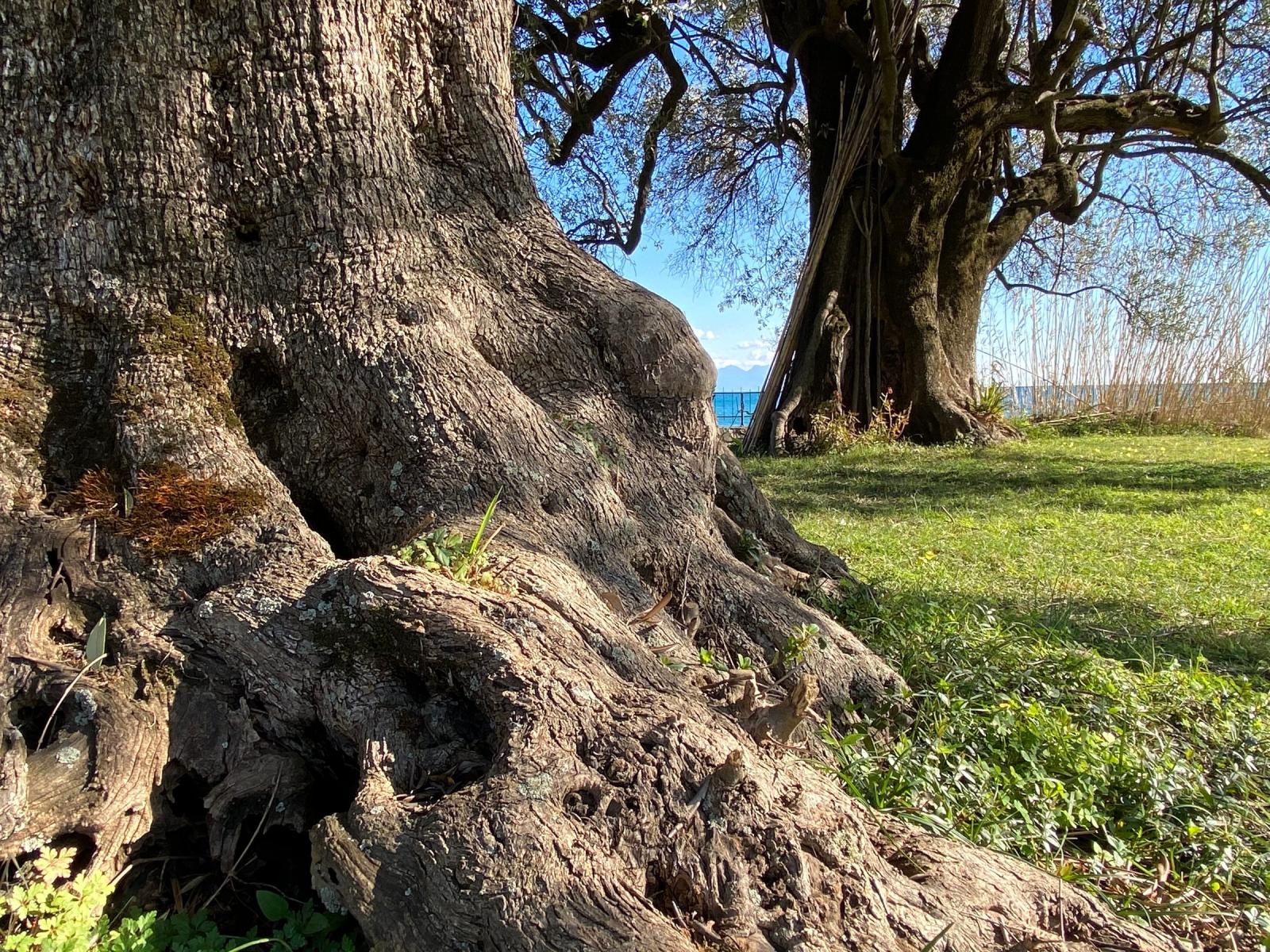
- Extra virgin olive oil: the main fat, raw and for cooking. Cilento produces Cilento DOP oil, covered in our guide to Cilento olive oil, wines and flavours.
- Pulses and grains: chickpeas, beans, lentils, bread and handmade pasta such as fusilli al ferretto.
- Vegetables: tomatoes, aubergines, peppers, courgettes, chicory and wild greens, always in season.
- Oily fish: anchovies, mackerel, sardines. Pisciotta's menaica anchovies, caught with a traditional net, are a Slow Food Presidium.
- Fruit: citrus, fresh and dried fruit, and figs, including the Fico Bianco del Cilento DOP.
- Wine in moderation: a glass with meals, from the Cilento DOC appellation.
- Meat rarely: once kept for feast days; animal protein came mainly from fish, eggs and cheese.
Context matters too: family meals, a slow pace and plenty of daily movement between vegetable plots, olive groves and hillside paths.
Is Cilento a "Blue Zone" of centenarians?
Not officially. The recognised Blue Zones are Okinawa, Sardinia, Nicoya in Costa Rica, Ikaria in Greece and Loma Linda in California. Cilento is, however, the focus of serious research: since 2016 the CIAO study (Cilento Initiative on Aging Outcomes), run by the University of California San Diego and Sapienza University of Rome, has followed people in their nineties and hundreds in Acciaroli and nearby villages to understand which biological, psychological and social factors support healthy ageing.
Researchers are asking whether the area could be considered an as-yet-undefined Blue Zone; for now the question remains open. One detail that is often misreported: Acciaroli and Pioppi are not municipalities but hamlets of Pollica.
Where is the Living Museum of the Mediterranean Diet?
The museum is in Pioppi, in Palazzo Vinciprova, a seventeenth-century building facing the sea, and shares its rooms with the Museo Vivo del Mare; both are run together with Legambiente. The exhibition tells the story of the Mediterranean Diet, Keys's work and the food culture of Cilento. From Capaccio Paestum it is about an hour's drive along the coast, and it pairs well with a morning in Acciaroli, as we suggest in our guide to the most beautiful villages of Cilento.
| Where | Palazzo Vinciprova, via Caracciolo 178, Pioppi (Pollica, SA) |
|---|---|
| Phone | +39 0974 905059 |
| Hours and tickets | They vary through the year: call before you set off, especially out of season |
| From the B&B | About 1 hour by car |
| Combine with | Acciaroli, a few minutes away, and a swim off Pioppi's pebble beach |
UNESCO listing: official page. Contact details are taken from public museum listings: always check opening days and hours before your visit.
Breakfast at Il Giardino dei Pini
Our days start slowly: homemade cakes, croissants, seasonal fruit and coffee, served under the porch overlooking the garden and the pool. Then it is off to Pioppi or an olive mill, and in the evening back to the quiet of the Paestum countryside. If you are thinking about a stay, take a look at our rooms.
Where can you taste the Mediterranean Diet in Cilento?
Agriturismi
Farm stays are the most direct way to eat what the land produces: handmade pasta, vegetables from the garden, the estate's own oil, local pulses and cheeses. The menu follows the season, and often there is no printed menu, just the dishes of the day.
Seafood restaurants on the coast
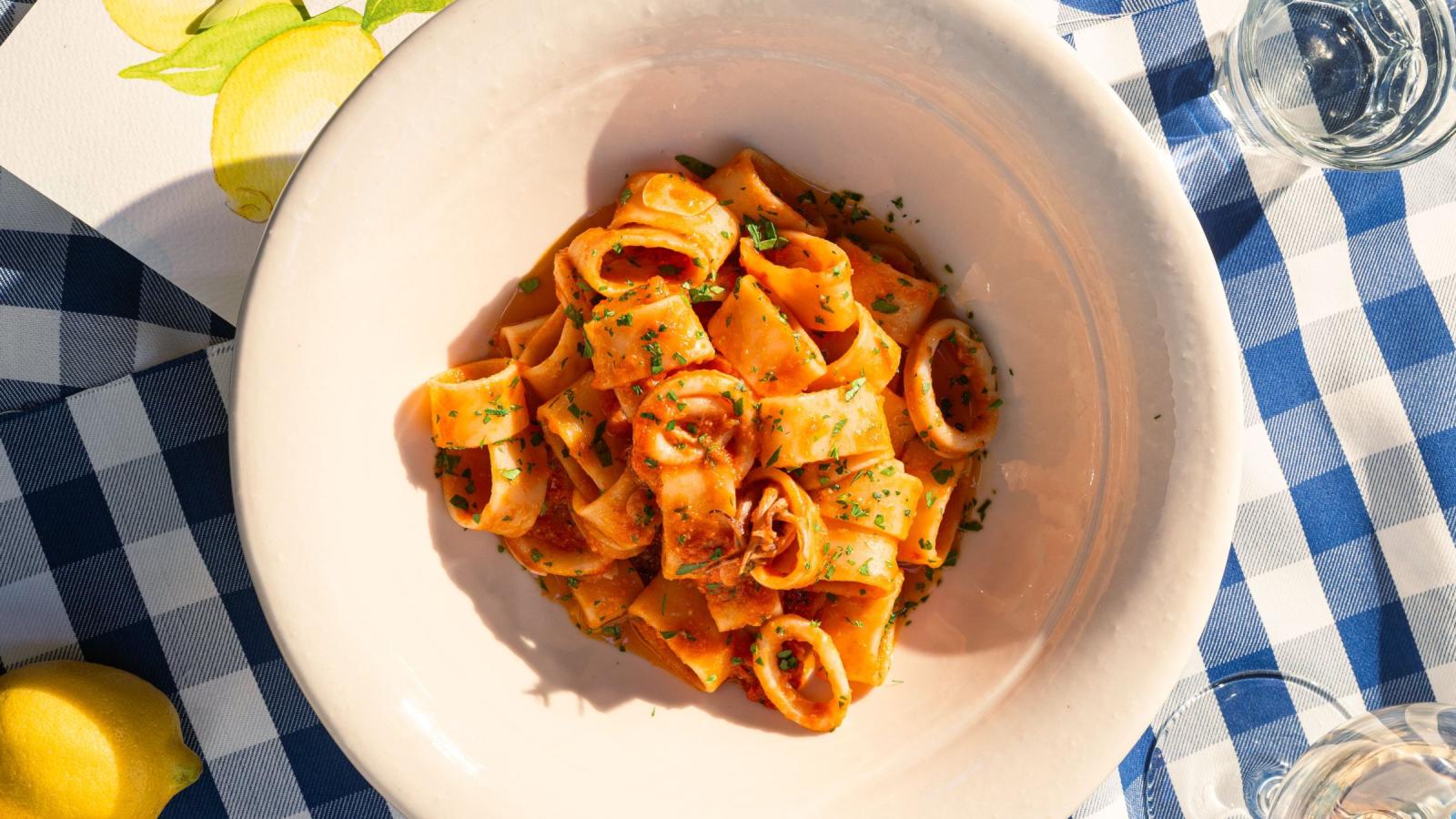
Along the coast, from Agropoli to Acciaroli, trattorias and restaurants cook the local catch with a light hand: marinated or fried anchovies, spaghetti with clams, a mixed fry of small fish, squid with potatoes.
Inland trattorias
In the inland villages, from Felitto to Castelcivita, the cooking changes: lagane with chickpeas, fusilli with ragù, ciambotta of summer vegetables, grilled caciocavallo. These are the peasant dishes from which the Mediterranean Diet took shape.
Which experiences bring it to life?
- Olive harvest and new oil: between October and November many mills work at full pace, and it is the moment to taste freshly pressed oil.
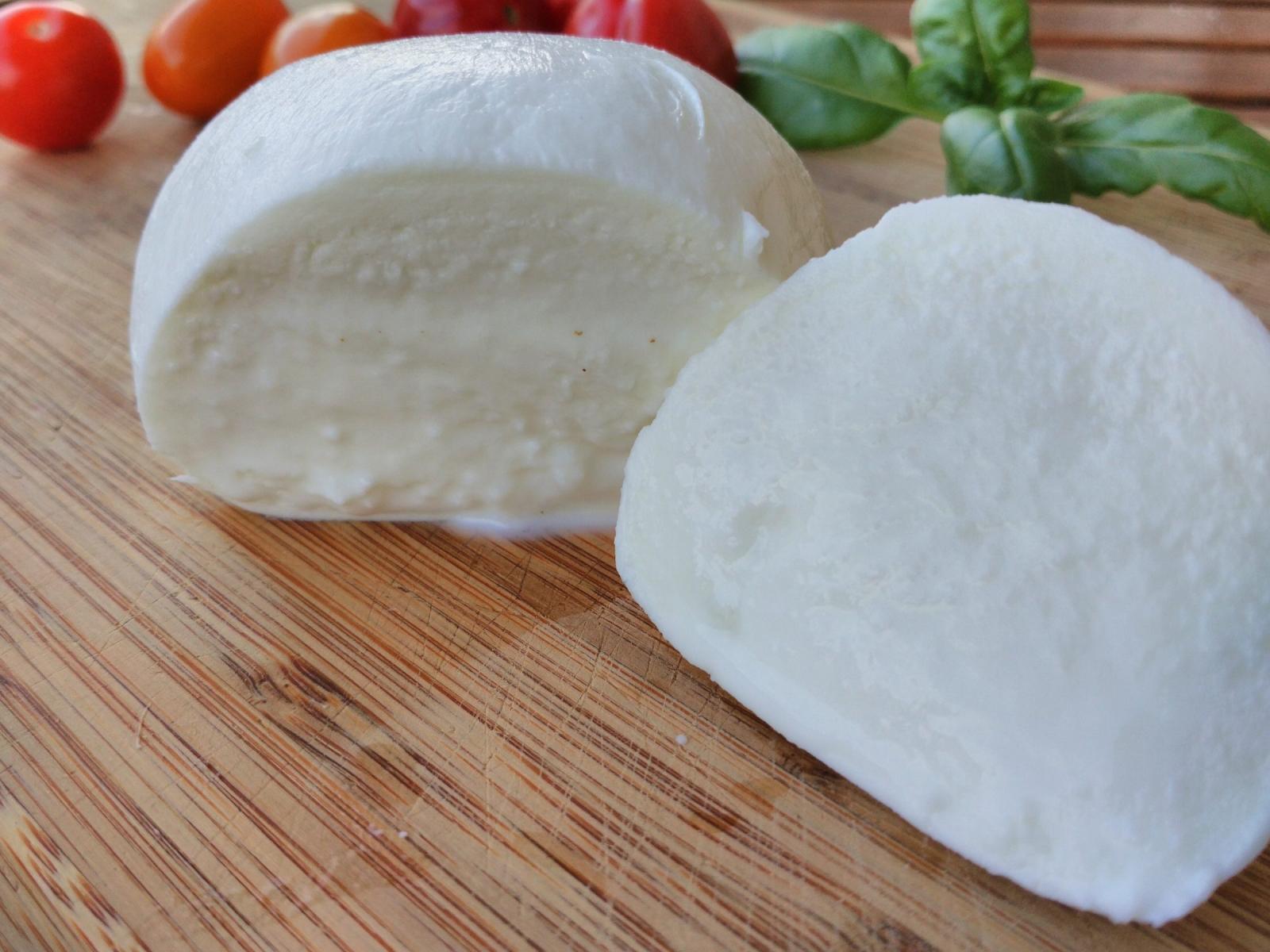
- A dairy visit: Tenuta Vannulo is about 5 minutes from the B&B; addresses and advice on timing are in our guide to the dairies of Paestum.
- Cooking classes: several are held in the area. Tenuta Seliano, near the temples, is known for the classes of Baronessa Cecilia Bellelli Baratta: check whether they are running during your stay.
- A day in Pollica: Acciaroli in the morning, a seafood lunch, Pioppi and the museum in the afternoon.
Go to Pioppi on a late-spring or September morning: the coast is quiet, there is time to read at leisure in the museum, and the sea is warm enough for a swim afterwards. Ring ahead for the museum's hours before you leave.
Frequently asked questions
Was the Mediterranean Diet born in Cilento?
Not exactly: it is a heritage shared by many Mediterranean countries and recognised by UNESCO in 2010. Cilento does hold a special place, though, because Pollica is Italy's emblematic community and Ancel Keys, who made this way of eating known worldwide, lived in Pioppi for 35 years.
Is Cilento a Blue Zone?
No, it is not one of the official Blue Zones (Okinawa, Sardinia, Nicoya, Ikaria and Loma Linda). Since 2016 the CIAO study by the University of California San Diego and Sapienza University of Rome has been studying the centenarians of Acciaroli and the surrounding area to see whether it shares similar traits.
Where is the Mediterranean Diet museum in Pioppi?
The Living Museum of the Mediterranean Diet is in Pioppi, a hamlet of Pollica, in Palazzo Vinciprova (via Caracciolo 178), facing the sea. From Il Giardino dei Pini B&B it is about an hour by car. Hours vary, so call ahead on +39 0974 905059.
When is the best time to visit Pioppi and Acciaroli?
May and June, and September, when the sea is already, or still, warm and the crowds are thinner. In winter the villages are very quiet and some services close, so check opening times in advance.